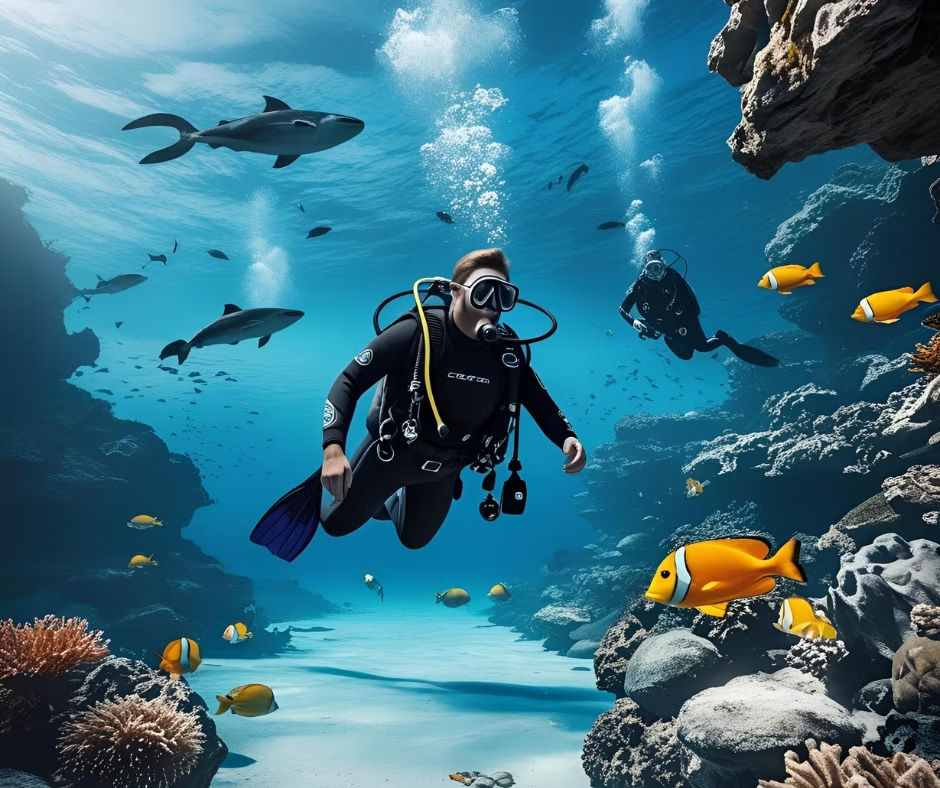
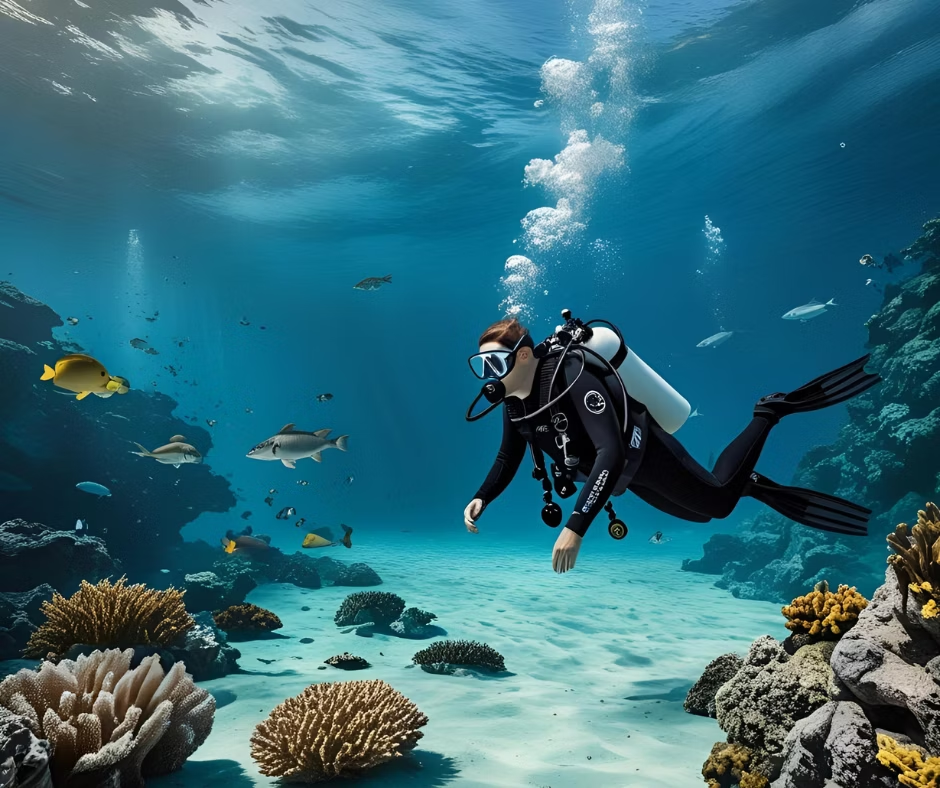
Diving lifestyle enthusiasts know that there’s a unique thrill in waking up to the sound of waves, stepping onto a sun-warmed beach, and knowing the ocean is your backyard. For many, scuba diving starts as a vacation hobby, but for some, it becomes the very center of life — inspiring a move to remote islands where crystal-clear waters and vibrant marine ecosystems are the norm.
These idyllic spots aren’t just for short getaways; they offer the perfect backdrop for a permanent relocation. Imagine swapping daily commutes for boat rides to dive sites, trading city lights for starlit beaches, and replacing background noise with the gentle hum of the sea. In this blog, we’ll explore the remote destinations where the diving lifestyle is not only possible but thriving, and why making the leap might be the best decision you ever make.
The Allure of a Remote Diving Life
The diving lifestyle is more than just frequent dives — it’s about immersing yourself in a slower pace of living, a closer connection to nature, and a community that shares your passion. Remote islands offer untouched reefs, minimal boat traffic, and marine biodiversity that urban dive spots can’t match. These destinations often have tight-knit diving communities where everyone knows each other, creating a sense of belonging. The change in pace can be profound: instead of rushing through daily routines, you have time to savor each moment, from prepping your gear at sunrise to recounting the day’s underwater adventures over a sunset barbecue.
Criteria for Choosing Your Dream Destination
Before packing your bags, you need to consider what makes a remote location ideal for the diving lifestyle. Factors like access to reliable dive operators, cost of living, visa regulations, healthcare availability, and internet connectivity all play a role. For some, being cut off from the outside world is part of the charm; for others, it’s essential to maintain work-from-home flexibility. The local culture, environmental policies, and weather patterns also affect how sustainable your life there will be. A paradise island that’s cyclone-prone, for example, may require more preparation and flexibility than a sheltered atoll.
1. Bonaire – Caribbean Coral Paradise
Bonaire is often referred to as the shore-diving capital of the world. For anyone embracing the diving lifestyle, this island offers more than 80 marked dive sites accessible right from the beach. No need for long boat rides; you can simply wade in and be surrounded by vibrant reefs and marine life. Bonaire’s marine park regulations keep its underwater world pristine, making every dive a rich, colorful experience. The island has a small yet diverse expat community, and its infrastructure supports both diving professionals and hobbyists.
2. Koh Tao, Thailand – Southeast Asia’s Dive Hub
Koh Tao is famous for producing more dive certifications per year than almost anywhere else on the planet. For those looking to make the diving lifestyle part of their career, this is a prime spot to train as a divemaster or instructor. The island is compact, easy to navigate, and filled with dive schools, cafés, and co-working spaces that cater to a global community. The waters around Koh Tao are home to barracuda schools, whale sharks during certain seasons, and diverse coral gardens, making it an underwater playground.
3. Utila, Honduras – Affordable Caribbean Bliss
If you want the diving lifestyle without breaking the bank, Utila might be your best bet. It’s one of the most affordable places in the Caribbean to live and dive, yet it offers incredible marine life, from eagle rays to seasonal whale sharks. The town is small enough that you’ll quickly get to know everyone, and there’s a laid-back, backpacker-meets-diver vibe. Dive shops often offer long-term packages or work exchange opportunities, making it easy to stay for months — or years.
4. Fakarava, French Polynesia – UNESCO Biosphere Reserve
Fakarava is a remote atoll in the Tuamotu Archipelago, famous for its pristine reefs and shark dives. It’s not a place for those who need constant nightlife, but for the true diving lifestyle devotee, it’s paradise. The waters here are so clear and nutrient-rich that you can see massive schools of fish and reef sharks in a single dive. Because it’s protected as a UNESCO Biosphere Reserve, marine biodiversity is thriving. Living here requires adaptability — supplies come in infrequently, and the population is tiny — but the reward is a front-row seat to nature’s most spectacular displays.
5. Roatán, Honduras – Coral Triangle of the Caribbean
Roatán, larger and more developed than Utila, offers the same stunning reefs but with more infrastructure. The diving lifestyle here comes with the bonus of modern amenities, an international airport, and a variety of communities to join. It’s surrounded by the Mesoamerican Barrier Reef, meaning you can dive almost every day of the year. Many expats set up small businesses related to diving, from boutique dive resorts to underwater photography services.
The Practical Side of Moving to an Island
While the romantic vision of island life is alluring, the diving lifestyle in a remote location also comes with challenges. Importing gear might be costly, medical facilities may be limited, and weather events can impact both living conditions and dive schedules. It’s crucial to plan for these realities. Many seasoned island divers recommend arriving for an extended stay before committing to a permanent move, giving yourself time to understand the rhythms of the island and its community.
Building a Career Around Diving
For those wanting to make their passion their profession, the diving lifestyle can open doors to becoming an instructor, marine conservationist, underwater photographer, or dive shop owner. Islands with consistent tourist flows offer more job opportunities, while remote, less-visited spots may require you to create your own niche. Many divers combine their passion with online work, balancing seasonal dive jobs with freelance or remote digital careers.
Conservation and Sustainability in Island Diving
A true diving lifestyle also means being a steward of the ocean. Remote destinations are often more sensitive to environmental changes, so living there means you’re in a unique position to contribute to conservation. This can range from participating in coral restoration projects to educating tourists about responsible diving. Places like Bonaire and Fakarava actively involve residents in reef monitoring programs, giving divers a chance to protect the very ecosystems they enjoy daily.
How the Diving Lifestyle Shapes You
After months or years of living in a remote diving destination, you’ll notice changes in your mindset and habits. The diving lifestyle fosters patience — you learn to wait for the right tides, weather, and marine conditions. It builds resilience, as you adapt to island logistics and sometimes unpredictable supply chains. Most importantly, it nurtures a deeper respect for the ocean, as you witness its beauty and fragility firsthand.
Cost of Living in Remote Dive Locations
The financial side of the diving lifestyle can vary widely. In places like Utila or Koh Tao, you can live comfortably on a modest budget, especially if you’re working locally. In contrast, French Polynesia can be expensive due to import costs. Many divers reduce expenses by sharing housing, cooking with local ingredients, and taking advantage of resident discounts at dive shops. Being mindful of costs helps sustain long-term living in these dream locations.
Community Connections in Island Diving
One of the most rewarding parts of the diving lifestyle is the community you build. In small islands, friendships form quickly through shared dives, conservation work, and social gatherings. Many remote diving hubs also host regular events like underwater clean-ups, dive-against-debris days, and marine life workshops, strengthening both environmental and personal bonds.
Adventure Beyond Diving
While diving may be the centerpiece, the diving lifestyle in a remote island setting includes plenty of topside adventures. You might spend your afternoons paddleboarding, hiking to hidden viewpoints, or fishing for dinner. In the evenings, there’s often little more to do than enjoy a meal with friends under the stars — and that’s exactly the charm. These slow, simple pleasures balance out the excitement of underwater exploration.
Weather and Seasonal Considerations
Every island has its own seasonal patterns that affect the diving lifestyle. For example, monsoon seasons in Southeast Asia may limit dive days, while hurricane seasons in the Caribbean require preparation and occasional evacuation. Understanding these cycles is crucial for scheduling dives, planning travel, and protecting equipment.
Making the Leap – From Dream to Reality
Ultimately, the decision to move to a remote island for the diving lifestyle is a deeply personal one. It requires balancing the dream of daily dives with the realities of island living. But for those who take the plunge, the rewards are unmatched — endless exploration beneath the waves, a simpler and more mindful way of life, and a sense of belonging to both a community and an environment you deeply care about.
Conclusion
Living the island diver dream isn’t just about location — it’s about embracing the diving lifestyle in its fullest sense. It means accepting the slow pace, the occasional challenges, and the deep satisfaction of waking up each day to a world where the ocean is your constant companion. Whether you choose the vibrant reefs of Bonaire, the training grounds of Koh Tao, or the wild beauty of Fakarava, the move to a remote diving destination can transform not just how you live, but who you are.